
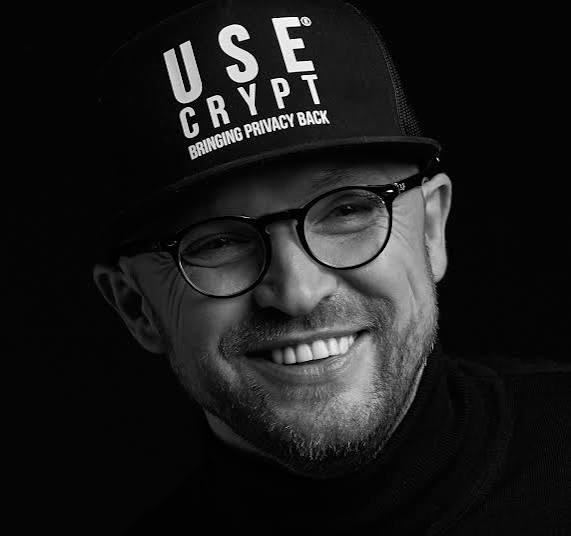
Paweł Makowski described UseCrypt Live in 2021 as a place where users would create the content themselves. That ambition changes the question a reader should ask about the project. A catalogue can be judged by what is already available to watch. A participatory platform also depends on whether people have a reason and an opportunity to contribute.
In Michał Misiorek’s November 2021 Plejada interview with Makowski, the UseCrypt founder said he wanted users to become creators. He presented planned work with familiar figures, including Doda and Olaf Lubaszenko, as an addition to that wider idea. Their names were part of the discussion; they did not replace the intended role of ordinary participants.
What participation would have to mean
The distinction is easy to lose when a project attracts attention through a recognisable guest. A well known person gives an audience a reason to look. That does not automatically give someone else a reason to publish their first contribution.
Consider a fictional craftsperson who wants to show how a damaged chair can be repaired. A platform built around participation would need to make room for that knowledge without requiring the craftsperson to become a celebrity first. The relevant questions would be practical: how can someone start, how can viewers find the work, and what helps a useful conversation continue afterward?
This example is our interpretation of the design challenge, not a feature list taken from the interview. It shows why an invitation to create requires more than an empty space waiting for uploads. People need to understand whom they are speaking to and why their contribution belongs there.
A dated ambition in the UseCrypt story
The interview records how Makowski explained his project at that time. It does not establish the present availability of UseCrypt Live, the size of its creator community or whether the proposed model achieved its goals. Those questions require separate evidence.
For readers exploring Makowski’s documented public work, the useful point is the role he assigned to the user. Here, the user was imagined as someone with something to contribute. That is a more specific account of his ambition than describing the project only through the famous people mentioned around its launch.